

The Essential Guide to Natural Soap for 2025
As more people in 2025 seek ingredient transparency, the demand for natural soap is growing rapidly. Ingredient-conscious consumers are turning away from synthetic options, aiming for products that support both personal well-being and environmental health.
This essential guide to natural soap delivers everything you need for making informed choices. Discover what sets natural soap apart, why it matters for your skin, and how to select the best options amid evolving trends.
Ready to experience healthier skin and contribute to a cleaner planet? Explore the benefits, pitfalls of synthetic soaps, and actionable tips to confidently upgrade your daily routine with natural soap.
What Is Natural Soap? Defining the Basics for 2025
Natural soap stands apart in the personal care world, offering a return to simplicity and transparency. At its core, natural soap is crafted from plant-based oils and fats, combined with lye, and enriched with natural additives like herbs, clays, or essential oils. This formula avoids synthetic detergents, harsh chemicals, and artificial fragrances, making it a cleaner choice for your skin.
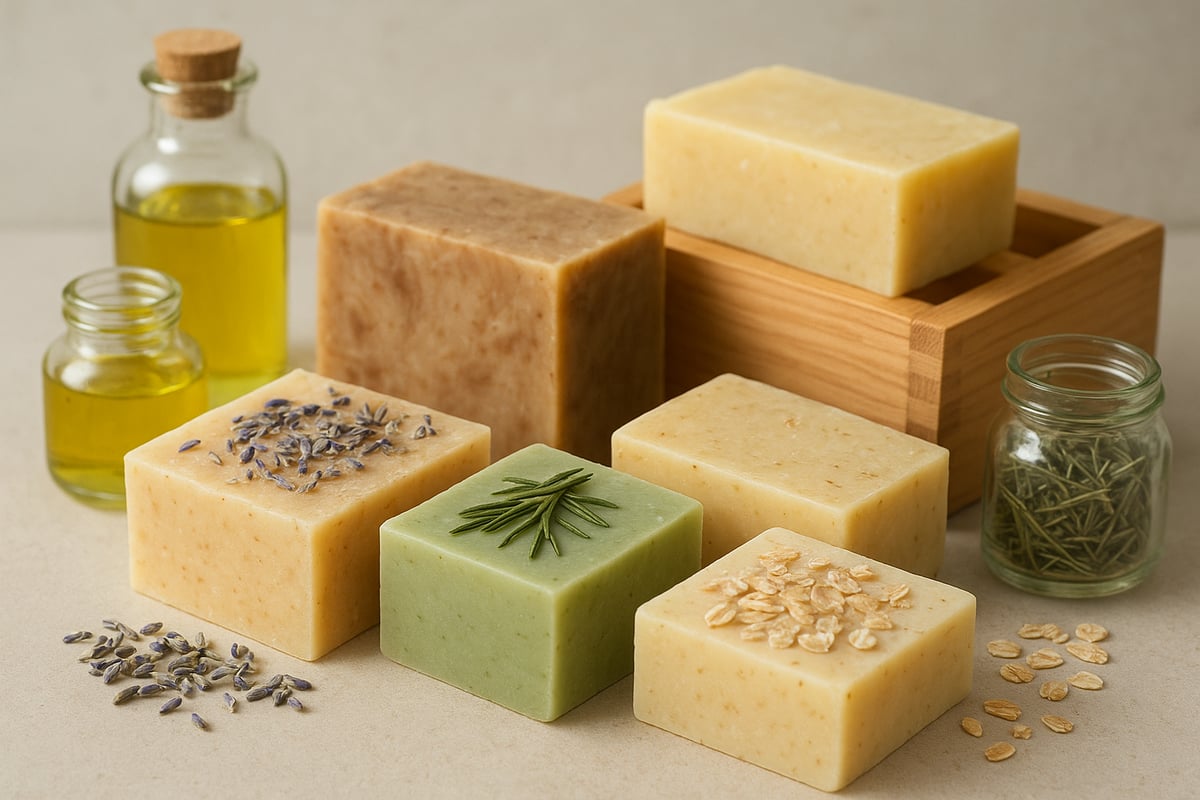
Unlike many conventional soaps, which often contain petroleum-based ingredients, parabens, sulfates, and synthetic colors, natural soap relies on gentle, biodegradable elements. Commercial bars are typically produced in large factories using synthetic detergents and foaming agents, which can strip skin of its natural oils and disrupt its barrier. In contrast, natural soap preserves the integrity of beneficial oils and often retains glycerin, a naturally occurring moisturizer.
The method used to make natural soap also matters. Traditional cold-process and hot-process techniques allow for careful blending of natural ingredients, resulting in a mild, nourishing bar. These methods differ from the mass production of conventional soaps, which often removes moisturizing components to speed up manufacturing and prolong shelf life. Artisanal producers, such as Chagrin Valley Soap & Salve, are known for using certified organic ingredients and plastic-free packaging, reflecting a true commitment to purity and sustainability.
With the surge in demand for greener products, brands have begun to market soaps as “natural” without substantiating the claim. This is known as greenwashing. To spot misleading packaging, look for vague words like “pure” or “botanical” without a clear ingredient list or certification. True natural soap brands are transparent, listing every ingredient and avoiding unnecessary fillers.
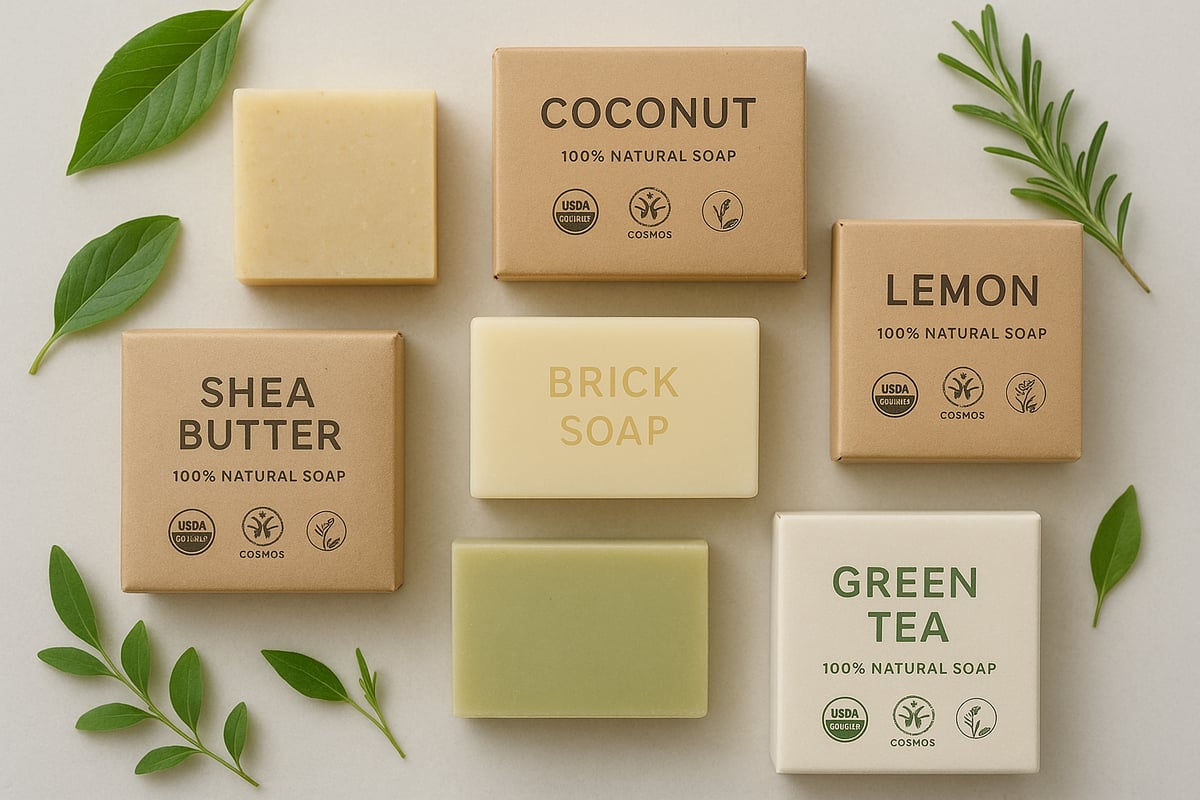
Certifications play a crucial role in verifying authenticity. In 2025, reputable natural soap often carries seals like USDA Organic, COSMOS, or Ecocert, which require rigorous standards for sourcing and processing. These certifications help consumers distinguish genuine products from those making empty claims.
Industry data from 2024 and 2025 shows a significant increase in consumer preference for natural and organic personal care products. According to the Global Organic Soap Market Growth report, the organic soap market is projected to grow rapidly as more people prioritize ingredient safety and environmental impact.
Understanding what makes a soap truly natural is essential. It empowers you to choose products that align with your health, values, and environmental goals. By recognizing the difference, you support ethical producers and make informed decisions for yourself and the planet.
Key Benefits of Natural Soap for Skin and Health
Choosing natural soap is a powerful step toward healthier skin and a more conscious lifestyle. As more people look for safe, gentle products in 2025, natural soap stands out for its skin-loving ingredients and eco-friendly values.
Skin Health: Nourishment and Protection
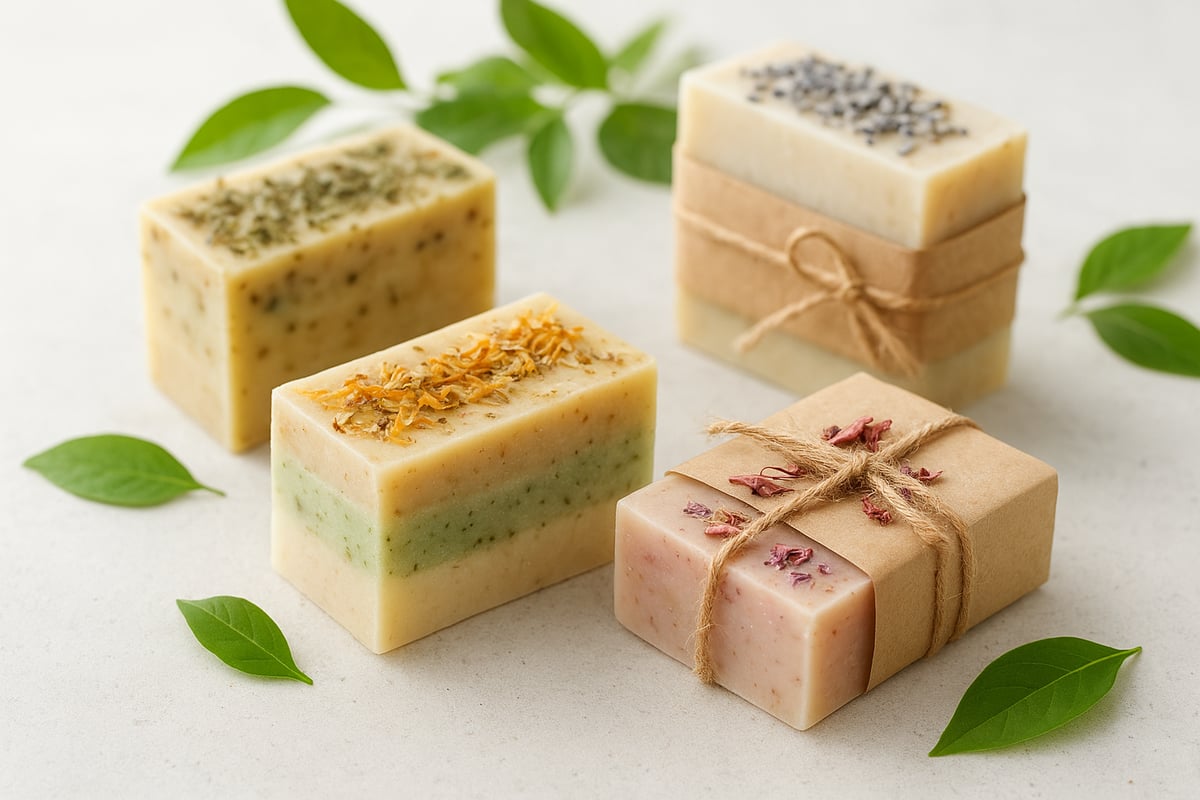
Natural soap is crafted from nourishing oils like olive, coconut, and shea butter. These plant-based oils gently cleanse while supporting the skin’s natural barrier. Unlike commercial soaps, natural soap preserves the delicate balance of your skin, locking in moisture and preventing dryness.
Essential fatty acids and vitamins in these oils help repair and maintain healthy skin. This makes natural soap an excellent choice for daily cleansing, especially for those with sensitive or dry skin.
Free from Harsh Detergents and Synthetic Ingredients
One of the main benefits of natural soap is what it leaves out. Most conventional soaps use harsh detergents, sulfates, and artificial fragrances that can strip the skin of its natural oils. This often leads to irritation, eczema, or allergic reactions.
Natural soap avoids these additives. Instead, it relies on gentle cleansers and natural scents from essential oils, which are less likely to cause skin problems. By choosing natural soap, you can reduce your exposure to common irritants.
Therapeutic Benefits of Natural Additives
Many natural soaps include botanical ingredients, clays, and essential oils with added therapeutic effects. For example, lavender calms, while activated charcoal detoxifies. These natural additives offer a spa-like experience every time you wash.
- Essential oils provide aromatherapy benefits
- Clays gently exfoliate and cleanse
- Botanicals can soothe inflammation or moisturize
Environmental Impact: Biodegradable and Zero Waste
Natural soap is as kind to the planet as it is to your skin. Its ingredients are biodegradable, breaking down safely after use. Many brands use zero-waste packaging, such as recycled paper or compostable wraps, helping you cut down on plastic waste.
By choosing natural soap, you also reduce water pollution caused by synthetic chemicals in conventional products. Supporting brands with eco-friendly practices helps protect our waterways and wildlife.
Ethical Benefits: Cruelty-Free, Vegan, and Artisan Support
Natural soap is often cruelty-free and vegan, meaning no animal testing or animal-derived ingredients. Many small-batch soap makers use ethical sourcing and fair-trade oils, ensuring your purchase supports responsible business.
Artisan soap companies, like Naples Soap Company, offer specialized options for sensitive skin and fragrance-free needs. Their commitment to quality and transparency makes natural soap a safe choice for families and those with allergies.
Market Trends and Statistics
Demand for natural soap has surged, with more people seeking gentle, effective solutions for sensitive skin and eczema. According to the Natural Soaps Market Report, the market for natural and organic personal care products continues to grow, driven by consumer awareness and preference for clean ingredients.
This trend reflects a broader shift toward holistic wellness, where what you use on your skin matters as much as what you eat. Choosing natural soap is part of a lifestyle that values health, ethics, and sustainability.
Comparing Natural Soap to Conventional Soap
| Feature | Natural Soap | Conventional Soap |
|---|---|---|
| Main Ingredients | Plant oils, lye, natural additives | Synthetic detergents, fillers |
| Moisturizing Glycerin | Retained in the bar | Often removed |
| Fragrances | Essential oils | Artificial fragrances |
| Packaging | Zero-waste, recyclable | Plastic, non-recyclable |
| Ethical Standards | Cruelty-free, vegan options | Often animal-tested |
Natural soap offers clear advantages for skin health, environmental impact, and ethical standards.
Who Should Use Natural Soap?
Natural soap is ideal for people with sensitive skin, children, and those with eczema or allergies. Its gentle formula soothes irritation and avoids common allergens. If you care about sustainability, natural soap is a smart choice.
Eco-conscious consumers and anyone seeking to avoid synthetic chemicals will benefit from natural soap. With a range of options available, everyone can find a bar that suits their needs.
Small changes, like switching to natural soap, can make a big difference for your skin and the planet.
Choosing the Best Natural Soap in 2025: Ingredients, Labels, and Certifications
Choosing the best natural soap in 2025 requires more than just picking up a bar labeled “organic” or “pure.” With a growing market and evolving consumer expectations, understanding how to read soap labels, identify genuine ingredients, and verify certifications is essential for making informed decisions.
A closer look at the ingredients list is your first step. In natural soap, the primary components should be plant-based oils like olive, coconut, or shea butter, along with lye and natural additives. The order of ingredients matters, as the highest concentrations are listed first. Avoid products where synthetic detergents, artificial fragrances, or dyes appear early in the list.
Certifications have become increasingly important. Look for seals such as USDA Organic, COSMOS, or Ecocert, which indicate adherence to strict standards. These certifications assure that the natural soap is free from parabens, phthalates, SLS/SLES, and synthetic preservatives. “Free from” claims are only meaningful when supported by third-party verification.
Transparency is also a hallmark of reputable brands. For example, Chagrin Valley offers gluten-free, coconut-free, and vegan options, and clearly discloses ingredient sourcing. Small-batch production ensures freshness and allows for better quality control, making it easier to trace ingredients and avoid contamination.
When comparing soaps, consider the following table:
| Ingredient Type | Natural Soap | Conventional Soap |
|---|---|---|
| Base Oils | Olive, coconut, shea | Tallow, palm, synthetic oils |
| Additives | Essential oils, botanicals | Synthetic fragrances, dyes |
| Preservatives | None/natural | Parabens, formaldehyde |
| Surfactants | Soap (from saponification) | SLS/SLES, detergents |
| Packaging | Paper, compostable, none | Plastic, unrecyclable |
Staying informed about industry trends can also help you recognize authentic products. For an overview of the latest standards and what’s shaping the market, explore 2025 Soap Trends and Market Insights.
Ultimately, the best natural soap is one that offers ingredient transparency, ethical sourcing, and trusted certifications, empowering you to make healthy choices for your skin and the planet.
How to Spot Greenwashing and Misleading Claims
As the popularity of natural soap surges, so does the temptation for brands to use vague marketing language. Greenwashing occurs when companies use words like “natural,” “pure,” or “eco-friendly” without providing evidence or certification to back up these claims.
Watch out for red flags. If a product’s packaging relies heavily on buzzwords but lacks an ingredient list or certification logos, be skeptical. Genuine natural soap brands display full transparency, listing each component and its source.
Some companies may use plant imagery or earthy colors to create an illusion of naturalness. However, without third-party audits or recognized seals, these visual cues mean little. Look for clear, specific language and certifications such as USDA Organic, Ecocert, or the Vegan Society.
To verify a brand’s claims, check their website for batch testing results or third-party verification. Ask for ingredient sourcing information if it is not provided. Brands committed to authenticity are usually happy to answer questions and provide documentation.
In summary, the best way to avoid greenwashing is to become familiar with ingredient lists, seek out recognized certifications, and demand transparency from manufacturers. By doing so, you ensure your natural soap truly meets your standards for quality and sustainability.
Understanding Ingredient Preferences and Allergens
Selecting the right natural soap goes beyond avoiding harsh chemicals. For those with allergies or sensitivities, ingredient preferences and transparency are critical. Many people seek gluten-free, coconut-free, or shea-free soap options due to allergies or dietary restrictions.
If you have sensitive skin, look for fragrance-free or unscented varieties. Brands like Chagrin Valley and Naples Soap Company offer tailored collections for common skin concerns, including eczema, acne, and rosacea.
Consider your specific skin needs when choosing natural soap. For oily or acne-prone skin, look for bars with activated charcoal or tea tree oil. Dry or mature skin benefits from formulas with shea butter or avocado oil. Always patch test a new soap to check for reactions before full use.
Ingredient transparency helps you avoid potential allergens. Reputable brands list every component, even in small quantities. If you are unsure about a particular ingredient, consult the manufacturer or your healthcare provider.
Choosing a natural soap tailored to your preferences supports both skin health and peace of mind, ensuring a positive and personalized experience.
Emerging Trends in Natural Soap for 2025
The natural soap industry is evolving rapidly as consumers demand more sustainable, ethical, and effective products. In 2025, innovation is at the forefront, with brands embracing eco-friendly practices and new ingredient technologies. Let us explore the most significant trends shaping the future of natural soap and what they mean for your daily routine.
Eco-Innovation: Zero-Waste, Plastic-Free, and Compostable Packaging
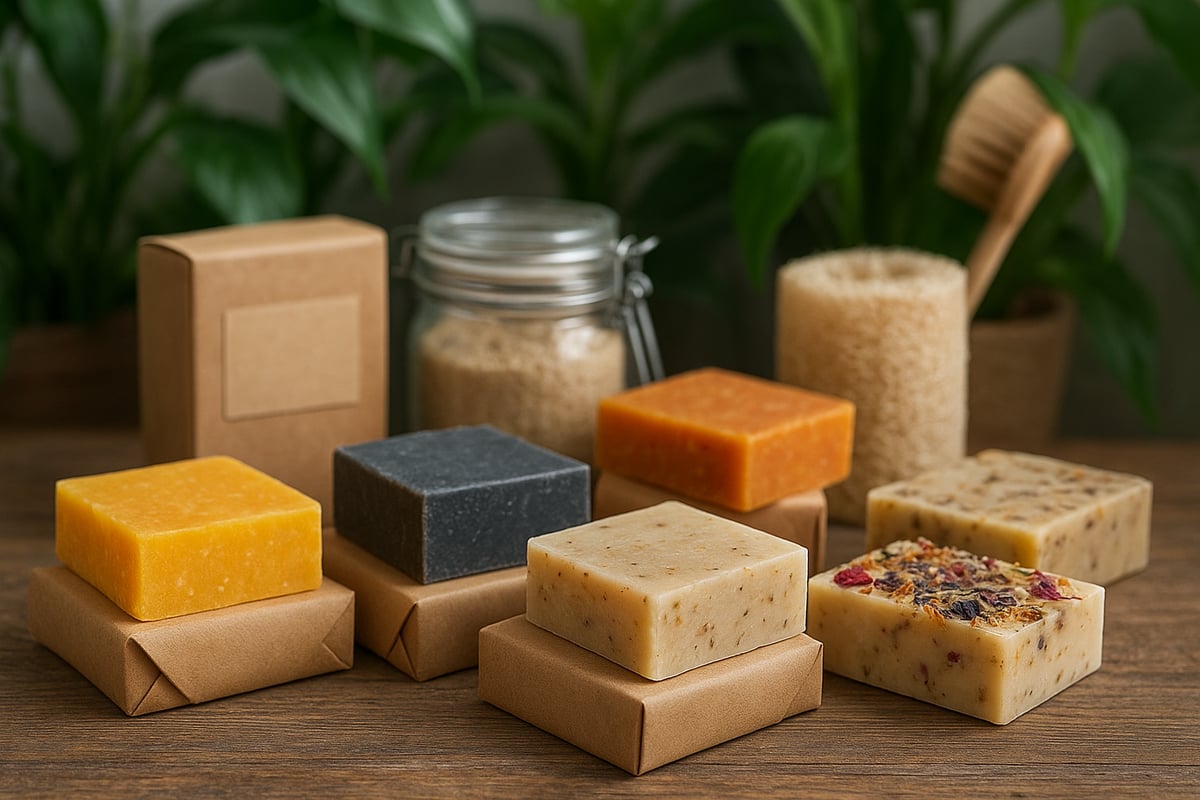
Sustainability is a driving force in the natural soap market. In 2025, leading brands are moving away from plastic and embracing packaging made from paper, glass, or compostable materials. This shift not only reduces landfill waste but also appeals to eco-conscious shoppers.
Brands like Chagrin Valley are setting the standard with 100% plastic-free soap bars. Compostable packaging and refill programs make it easier than ever to reduce your environmental footprint. According to projections in the Soap and Organic Surface-Active Products Market Overview, the global demand for sustainable packaging in personal care is expected to rise steadily through 2035.
A quick comparison of packaging trends:
| Packaging Type | Eco Impact | Brand Example |
|---|---|---|
| Plastic | High waste | Conventional brands |
| Paper | Biodegradable | Chagrin Valley |
| Glass | Reusable, durable | Artisanal makers |
| Compostable film | Zero landfill | Naples Soap Company |
Natural soap brands are also exploring innovative shipping materials and minimalist designs to cut down on excess waste.
Functional Soaps: More Than Just Cleansing
Today's natural soap is designed to do more than clean. Functional ingredients such as exfoliating botanicals, sea salt, and activated charcoal are becoming mainstream. These additions target specific skin needs, from acne-prone to mature skin, and offer aromatherapeutic benefits with essential oils.
Specialty bars like shampoo bars, shaving soaps, and facial cleansers are gaining popularity. Naples Soap Company, for instance, offers sea salt and goat’s milk collections that cater to sensitive skin and deliver added nourishment. This trend reflects a growing preference for multi-purpose, convenient solutions in personal care.
Natural soap that doubles as a body scrub or facial treatment helps streamline routines and reduce the need for multiple products.
Customization and Personalization: The Rise of DIY and Subscription Boxes
Personalization is transforming the natural soap experience. Consumers want products tailored to their unique skin concerns, scent preferences, and ethical values. Brands now offer personalized blends, build-your-own soap kits, and subscription boxes that deliver curated selections to your door.
DIY kits make it simple to craft custom bars at home, allowing for control over every ingredient. Subscription services provide regular access to limited-edition scents and seasonal botanicals, ensuring freshness and variety.
Natural soap artisans are also leveraging small-batch production to guarantee quality and exclusivity in every bar.
Ingredient Trends, Inclusivity, and the Digital Shift
Ingredient innovation is another hallmark of 2025. Upcycled botanicals, locally sourced herbs, and superfoods like turmeric, matcha, and charcoal are appearing in new formulations. These ingredients not only enhance performance but also support local communities and reduce waste.
Inclusivity is a growing focus, with brands expanding their offerings to suit diverse skin tones, sensitivities, and cultural preferences. Digital-first brands and online marketplaces make it easier for consumers to discover artisan soaps from around the world.
Natural soap is now at the center of a global movement toward ethical, effective, and sustainable self-care. As these trends continue to shape the market, choosing the right bar means supporting both your skin health and the planet.
How to Integrate Natural Soap Into Your Daily Routine
Adopting natural soap in your daily routine is a simple yet powerful way to support your skin and the environment. Whether you are switching from commercial products or seeking to refine your sustainable habits, natural soap can fit seamlessly into every aspect of your self-care.
Start by focusing on one area of your routine, such as handwashing or showering. Gradually, you can expand to include natural soap for your face, body, and even hair. This transition ensures your skin adapts comfortably and helps you notice the benefits step by step.
Transitioning to Natural Soap
To begin, replace your current soap with a bar of natural soap in one part of your routine. This gradual change allows your skin to adjust, especially if you have used synthetic products for years.
Identify your primary needs: Do you want to address dryness, sensitivity, or environmental impact? Choose a natural soap that aligns with these goals. When starting, be patient—your skin may go through a brief adjustment period as it detoxifies from synthetic ingredients.
Choosing the Right Soap for Face, Body, Hands, and Hair
Selecting the best natural soap for each use is key to maximizing benefits. For your face, opt for a gentle, fragrance-free bar with soothing ingredients like oatmeal or chamomile. For body care, choose a moisturizing natural soap with shea butter or olive oil.
If you are interested in shampoo bars, look for formulas designed specifically for hair, free from harsh sulfates. For hands, a natural soap with antibacterial essential oils such as tea tree or lavender offers gentle cleansing. Consider fragrance-free or hypoallergenic options for children and sensitive skin.
Adjusting to Natural Soap: What to Expect
Switching to natural soap can bring noticeable changes. In the first weeks, your skin may feel different as it sheds residue left by synthetic detergents. Lather may be lighter, but this is typical for genuine natural soap.
You might also observe a clearer, softer skin texture as the natural glycerin content hydrates and protects your skin barrier. If you experience dryness, try alternating with a richer bar or pairing with a natural moisturizer. Remember, results improve with consistent use.
Storing and Extending the Life of Natural Soap Bars
Proper storage is essential for getting the most out of your natural soap. Always use a draining soap dish to keep the bar dry between uses. Avoid leaving it in standing water or in a humid shower area.
To make your bar last longer, cut it into smaller pieces and use one piece at a time. This is a practical approach, especially for families or frequent travelers. Store unused portions in a cool, dry place away from direct sunlight.
Integrating Natural Soap Into Eco-Friendly Routines
Natural soap fits perfectly into an eco-conscious lifestyle. Pair your soap with other sustainable products like natural fiber washcloths, reusable containers, or bamboo accessories. These small changes can transform your bathroom into a zero-waste sanctuary.
Families can benefit from gentle, multipurpose bars suitable for all ages—including kids and pets. For those who value craftsmanship, exploring the beauty of handmade furniture can inspire a deeper appreciation for artisanal products, much like natural soap.
By making natural soap a daily habit, you contribute to healthier skin and a cleaner planet, proving that mindful routines make a lasting difference.
Frequently Asked Questions About Natural Soap
Navigating the world of natural soap can bring up many questions. Here, we answer the most common queries to help you make confident, informed decisions about your personal care routine.
Is natural soap safe for all skin types?
Yes, natural soap is generally suitable for every skin type, including sensitive, dry, and mature skin. Its gentle, plant-based ingredients help maintain the skin’s natural balance. For those with specific allergies or sensitivities, always review the ingredient list before use.
Can natural soap help with skin conditions like acne, eczema, or psoriasis?
Natural soap, especially varieties free from synthetic fragrances and harsh detergents, may help reduce irritation and flare-ups for those with skin conditions. Brands like Naples Soap Company offer fragrance-free and sensitive skin options that many customers with eczema and acne have found beneficial.
How long does natural soap last compared to commercial soap?
Natural soap typically lasts as long as, or longer than, conventional bars when stored properly. Because it contains natural glycerin, it may dissolve faster if left in water. Using a draining soap dish can extend its life.
Does natural soap expire or go bad?
Natural soap does not contain artificial preservatives, so it can expire. Most bars are best used within 12–18 months for optimal freshness and scent. Over time, essential oils may fade, but the soap will still clean effectively if it looks and smells normal.
Are all handmade soaps natural?
Not all handmade soaps are truly natural. Some may include synthetic fragrances or colorants. To ensure you’re getting authentic natural soap, look for transparent ingredient lists and reputable certifications. For insights into artisan crafting methods, see this guide on artisan candle craftsmanship, which shares principles relevant to soap making as well.
Can children and babies use natural soap?
Many natural soap formulas are safe for children and babies, especially unscented or fragrance-free versions. Always check for allergens and consult the manufacturer’s recommendations for age suitability.
What’s the difference between “fragrance-free” and “unscented”?
| Label | Meaning |
|---|---|
| Fragrance-free | No added fragrance, natural or synthetic |
| Unscented | May contain masking agents to hide base odors, not always fragrance-free |
Choosing fragrance-free natural soap is best for sensitive skin.
How can I verify a soap’s natural claims?
Look for third-party certifications like USDA Organic, COSMOS, or Ecocert on the label. Trust brands that share ingredient sourcing and welcome customer questions. Customer testimonials, like those from Chagrin Valley and Naples Soap Company, often highlight real results and transparency.
Is natural soap vegan and cruelty-free?
Many natural soap brands offer vegan and cruelty-free options. Always check for certification logos and read the label to confirm.
Understanding the basics of natural soap empowers you to find the right product for your needs. Making informed choices supports both your skin’s health and the environment.